Understanding the psychological triggers behind successful gambling experiences
The Thrill of Risk and Uncertainty
The allure of gambling often hinges on the thrill associated with risk and uncertainty. This psychological trigger is deeply rooted in our instinctual responses to potential rewards. When individuals engage in gambling, the unpredictability of outcomes creates an adrenaline rush, stimulating the brain’s reward center. This rush can lead to excitement, making each bet feel like a chance at instant gratification, reinforcing the behavior with the promise of winning. For many players, the unknown is a captivating element that turns the gaming experience into a form of entertainment. In the context of this exciting environment, one can explore a Players club VIP review to understand its offerings better.
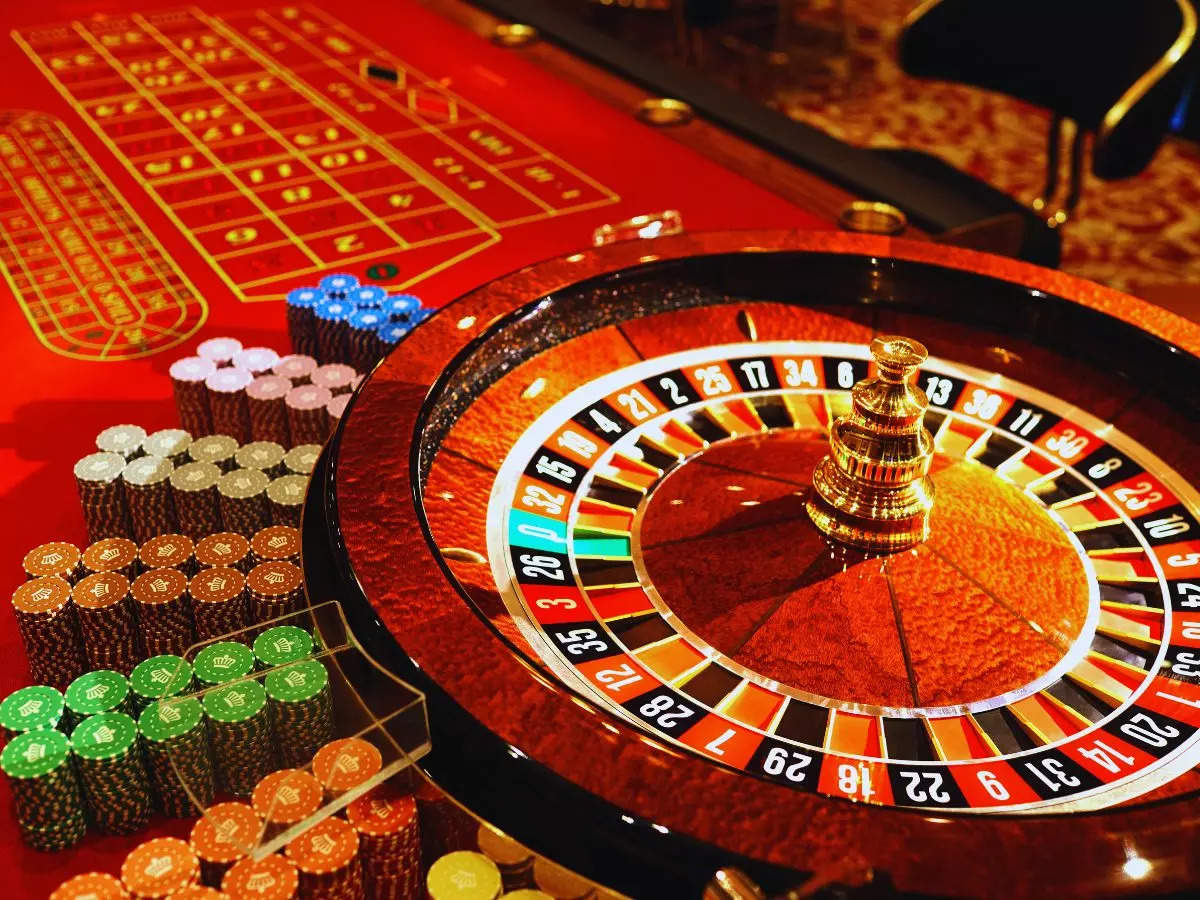
Moreover, the excitement of not knowing the outcome can be compelling, leading players to engage in multiple rounds of betting. This excitement may trigger impulsivity; individuals may feel a heightened sense of exhilaration with every spin of the wheel or flip of a card. The uncertainty associated with these activities fosters a cycle of hope and anticipation that many find irresistible. Consequently, the potential for large wins further exacerbates this thrill, driving players to return for more.
Additionally, many gamblers are influenced by the concept of “near misses.” This psychological phenomenon occurs when a player comes close to winning, which can evoke strong emotions and compel them to try again. The brain interprets these near misses as signs of potential success, creating a compelling urge to continue gambling in hopes of achieving that elusive win. This cycle of excitement and reinforcement can lead to extended gaming sessions, as players chase the feeling of a successful outcome.
The Role of Cognitive Biases
Cognitive biases play a significant role in shaping gamblers’ experiences and decision-making processes. One prevalent bias is the “gambler’s fallacy,” where individuals mistakenly believe that past outcomes affect future probabilities. For instance, a player might think that after a series of losses, a win is more likely. This misunderstanding of statistical independence fuels continued gambling, as players cling to the hope that their luck is about to change.
Another bias is the “illusion of control,” wherein players believe they can influence the outcome of a game despite it being purely random. This might manifest in behaviors like choosing specific numbers in games of chance or employing rituals before placing bets. These beliefs create a false sense of agency, enhancing the gambling experience as players feel empowered to shape their destiny, even when the odds are stacked against them. This psychological mechanism can lead to increased engagement and longer play sessions.
Furthermore, players often overestimate their winning capabilities due to selective memory. They tend to remember wins more vividly than losses, which creates an exaggerated sense of success. This positive reinforcement can be addictive, leading players to believe they are more skilled or lucky than they truly are. Such biases keep players coming back, as the perception of winning outweighs the reality of losses, perpetuating their gambling habits and reinforcing the excitement of the gaming experience.
The Influence of Social Interaction
Social interaction is another critical factor influencing gambling behavior. Many individuals enjoy the communal aspect of gambling, whether in a physical casino or an online platform. The atmosphere of shared excitement among players creates a sense of belonging, making the experience more enjoyable. This social element can enhance emotional states, as shared victories or defeats foster camaraderie and connection among participants, encouraging repeat engagement.
In online casinos, live dealer games exemplify this social interaction. Players can communicate with dealers and fellow gamblers in real-time, creating a more immersive experience that mimics the energy of a brick-and-mortar casino. This interaction can elevate the excitement of the game, as players feed off each other’s energy. The sense of community can be so powerful that it encourages individuals to gamble more frequently, drawn in by the friendships and social ties established during gameplay.
Moreover, social validation plays a significant role in shaping gambling behavior. Players often share their gambling experiences with friends and family, seeking validation for their activities. When they receive positive reinforcement from their social circles, it can strengthen their desire to engage in gambling, reinforcing the idea that it is a socially acceptable and enjoyable pursuit. This interconnectedness between social dynamics and gambling experiences creates a rich tapestry that enhances overall satisfaction and loyalty to the gambling environment.
The Importance of Rewards and Incentives
Rewards and incentives are fundamental to the psychology of gambling, as they create positive reinforcement loops that entice players to return. Casinos often employ various strategies, such as loyalty programs and promotions, to keep players engaged and motivated. These incentives can include free spins, bonuses, and exclusive access to events or games, adding value to the gaming experience. The anticipation of receiving rewards can heighten excitement and encourage continued play, as players are drawn to the prospect of earning more benefits.
Additionally, the structure of rewards in gambling is often designed to create a sense of progression. For instance, achieving higher tiers in loyalty programs can make players feel accomplished and valued. This sense of progression feeds into their motivation, as they aspire to unlock further benefits and privileges. The psychological impact of these rewards can enhance the overall experience, making players feel more invested in their gambling endeavors and strengthening their connection to the platform.
Moreover, the timing of rewards plays a crucial role in reinforcing gambling behavior. Randomized rewards, such as those found in slot machines, can lead to increased player engagement as the uncertainty surrounding when a reward will be received maintains excitement. This unpredictability can create a “jackpot effect,” where players are more willing to gamble more in anticipation of the next big win. The brain’s dopamine response to these rewards can solidify a player’s commitment to gambling, making it a gratifying and addictive experience.
Players Club VIP Casino: A Premier Gambling Destination
Players Club VIP Casino offers an exceptional online gaming experience by understanding the psychological triggers that drive successful gambling. With an array of games, including live dealer options and thrilling slots, the platform is designed to captivate both casual gamers and serious bettors alike. The integration of social interaction elements and loyalty rewards ensures that players feel engaged and valued, making them more likely to return for repeated gaming experiences.
Moreover, Players Club VIP Casino prioritizes customer support, providing 24/7 assistance to ensure a seamless gaming experience. Players can feel secure in their transactions, knowing that dedicated support is always available. With enticing promotions and a comprehensive VIP program, the casino cultivates a sense of community and belonging among its users, fostering loyalty and encouraging continuous engagement.
In summary, Players Club VIP Casino embodies the principles of understanding psychological triggers in gambling. By combining thrill, cognitive biases, social interaction, and strategic rewards, it creates a holistic environment that enhances the overall gambling experience. As a result, it stands out as a top choice for players seeking excitement and satisfaction in the competitive online gambling landscape.